
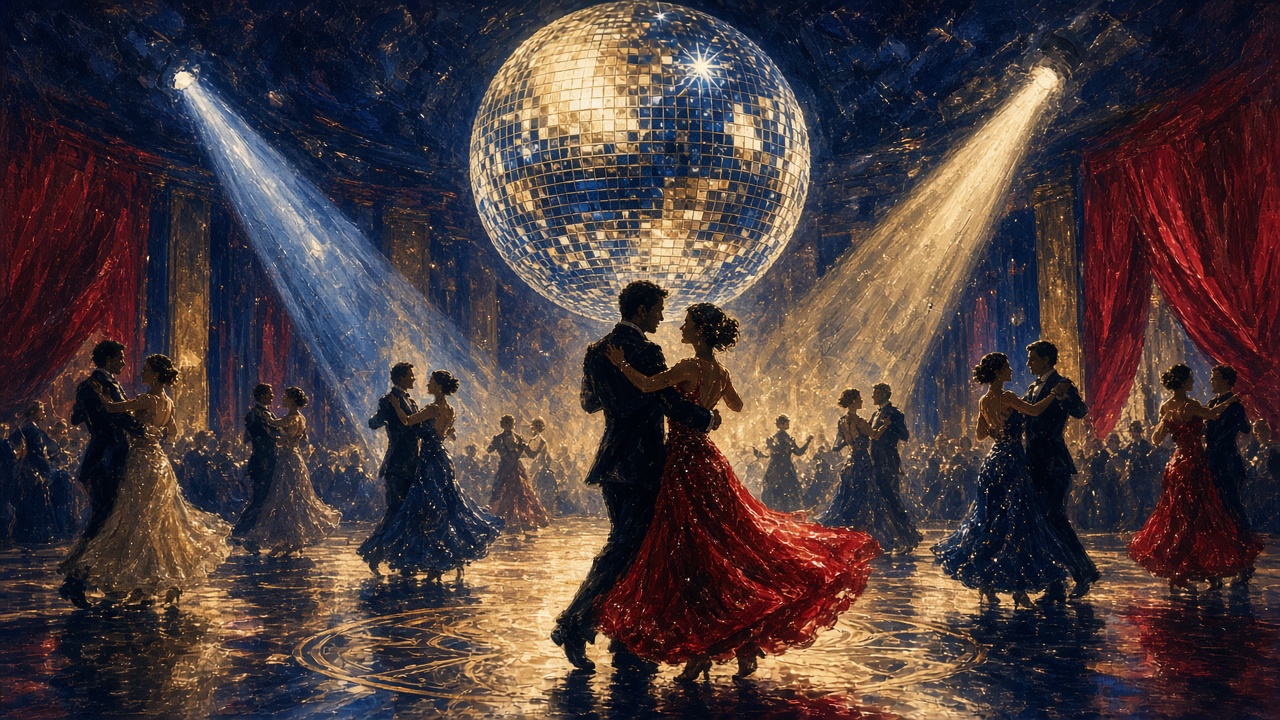
The class of 2026 is complete. Melanie Walters, beloved to millions as Gwen in Gavin and Stacey, was unveiled on Wednesday as the fifteenth and final celebrity contestant for the new series of Strictly Come Dancing, closing a fortnight of announcements that has set the tone for the most intriguing series in the show's history.
Lacey Turner, twice a National Television Award winner as EastEnders' Stacey Slater, was the first name out of the hat, and she is joined by a cast drawn from every corner of the celebrity ecosystem: Dani Dyer, the reality star turned presenter; Delta Goodrem, the Australian singer with two decades of hits behind her; and Chris Appleton, the celebrity hairstylist responsible for some of the most photographed heads in the world.
The bookmakers wasted little time. Turner's combination of acting discipline and public affection has made her an early favourite, while Goodrem's years on stage mark her out as a likely frontrunner with the judges. Dyer's following among younger viewers could prove decisive in the public vote, and Appleton arrives with the sort of devoted fanbase that has carried dark horses deep into November before. Walters, the final name confirmed, brings with her the goodwill of one of the most loved sitcoms of the century.
The biggest change in the ballroom
Yet the line-up is not the whole story. When the series begins in September, the ballroom will be fronted by an entirely new presenting team: Josh Widdicombe, Emma Willis and Johannes Radebe take over from Tess Daly and Claudia Winkleman, whose departures close a chapter stretching back more than two decades.
The scale of that handover is difficult to overstate. Daly has been the show's constant since its first series in 2004, and Winkleman, promoted from the results show to the main stage, turned Sunday nights into appointment television. Their successors represent three distinct bets: Widdicombe's self-deprecating wit, Willis's proven command of live television from Big Brother and The Voice, and Radebe's status as the most beloved professional dancer of the show's modern era. All three are devotees of the format, which will matter more to the audience than any resume.
There is precedent for optimism. The show has survived the departure of founding judges, the retirement of Len Goodman and the churn of professional dancers, emerging each time with its audience intact. But it has never before changed its entire presenting line-up in a single summer, and the new trio will know that the first live show will be reviewed as closely as any premiere in the West End.
Strictly 2026 at a Glance
- The fifteen celebrity line-up was completed on 12 August 2026 with Gavin and Stacey star Melanie Walters.
- EastEnders actress Lacey Turner was the first contestant announced for the new series.
- The cast also includes Dani Dyer, Delta Goodrem and celebrity hairstylist Chris Appleton.
- Josh Widdicombe, Emma Willis and Johannes Radebe take over as presenters from Tess Daly and Claudia Winkleman.
- The new series begins on BBC One in September.
Why Strictly still matters
Two decades on, Strictly remains the BBC's biggest entertainment franchise, a format sold around the world and a rare piece of television that still gathers generations in front of the same screen at the same time. In an age of fragmented viewing, that is not merely a ratings asset; it is a public service argument made in sequins. The professional dancers, now celebrities in their own right, have become the show's connective tissue, and Radebe's promotion from their ranks to the presenter's podium is itself a sign of where the power in the ballroom now lies.
The corporation will hope the new faces refresh rather than disrupt. History suggests the format is bigger than any of its parts: judges have come and gone, professionals have become stars and retired, and the glitterball has turned regardless.
Rehearsals begin within weeks, and the first live show will answer the only question that matters: whether the audience notices the change at the top, or simply settles back into the autumn ritual of judges' paddles, theme weeks and the slow, glittering business of learning to dance. On the evidence of two decades, the ritual usually wins.