
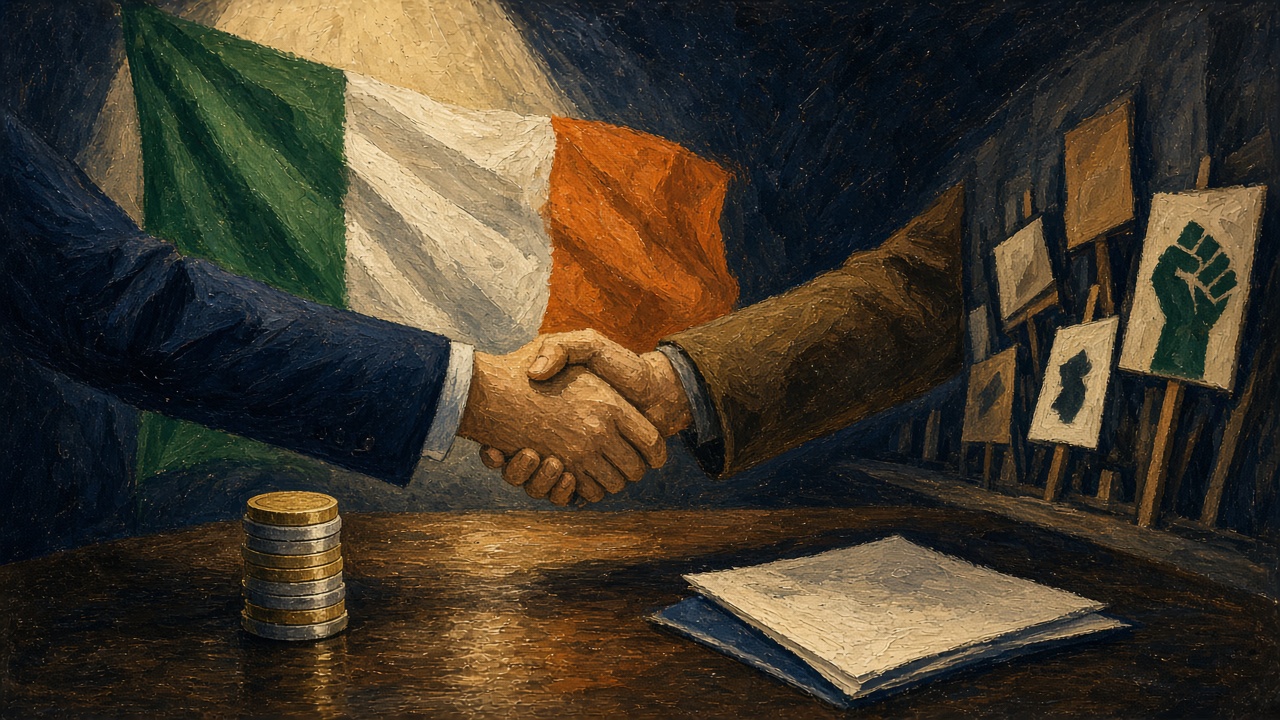
Ireland's public sector unions and the Government will enter formal pay talks at the Workplace Relations Commission on Monday, after a weekend of intensive contacts brought an end to weeks of deadlock and the suspension of a second national strike.
The breakthrough came shortly before 9pm on Saturday, when the independent chair Kevin Foley, ICTU general secretary Owen Reidy and the Government's Oonagh Buckley confirmed that a process had been agreed. Talks will begin with pay-related matters, including the unions' claims on the cost-of-living effects between 2021 and 2025, this year, and the duration of any new agreement.
From picket lines to the negotiating table
More than 300,000 public servants, among them nurses, doctors, teachers and civil servants, took part in Wednesday's 24-hour stoppage, the first national strike of its kind in 17 years. Schools closed, thousands of hospital appointments were cancelled and the Dail did not sit. A second stoppage planned for this Wednesday was suspended on Friday, though work-to-rule action continues.
At the heart of the dispute is a simple question: how much money is on the table. Budget 2027 set aside 1.2 billion euro for public sector pay next year, a figure that must also cover what is still owed under the last deal and pension costs. The Dail has been told a 5 per cent rise in 2027 alone would cost 2.1 billion euro, and some unions believe more than 2 billion euro will be needed to settle.
The Dispute at a Glance
- Formal pay talks begin at the Workplace Relations Commission on Monday 19 October.
- Wednesday's strike saw 300,000 public servants walk out, the first such action in 17 years.
- A second stoppage planned for this Wednesday has been suspended; work-to-rule continues.
- The Government has set aside 1.2 billion euro; unions say a deal could cost more than 2 billion euro.
- Inflation is running at 4.1 per cent; unions call the Budget figure no credible starting point.
Both sides claim movement
Fórsa general secretary Kevin Callinan, who leads the union side, has described the Budget allocation as working out at about 2.5 per cent at best once pensions and old commitments are included, against inflation of 4.1 per cent. The Government counters that public servants received increases of 22.5 per cent over six years, rising to 36 per cent for the lowest paid.
Speaking after the annual Fianna Fáil Wolfe Tone commemoration in Co Kildare, the Taoiseach, Micheál Martin, welcomed the agreement of a process but stressed that any deal must advance productivity, protect the low-paid and represent "value for money". He refused to be drawn on whether the Coalition would dip into a 1.6 billion euro pot of unallocated budgetary spending.
Trust to rebuild
The trio who brokered the process sounded a note of caution alongside the breakthrough, warning of "a need to rebuild trust and confidence in industrial relations in the public sector". Negotiating teams are being finalised today, and few on either side expect a quick settlement. For the 400,000 state employees covered by any new agreement, and for the public who endured closed schools and cancelled clinics last week, the stakes of Monday's opening session could hardly be higher.